

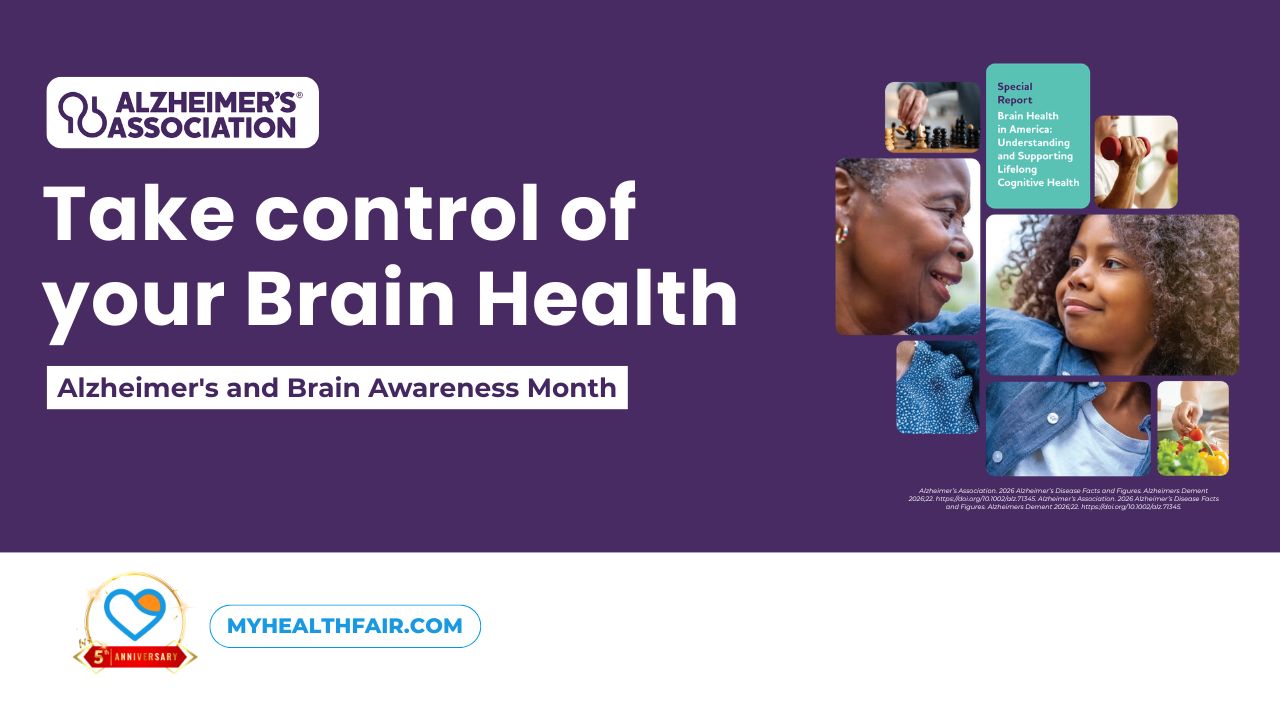
Alzheimer’s Association Encourages Americans to Take Charge of Their Brain Health
June Is Alzheimer’s & Brain Awareness Month
This June, during Alzheimer’s & Brain Awareness Month, the Alzheimer’s Association is encouraging people across the country to prioritize their brain health by taking positive actions that can make a meaningful difference.
As more research emerges each year, experts say the message is clear: it is never too early — or too late — to take action.
“We are at a turning point in what science is telling us about brain health,” said Joanne Pike, DrPH, President and Chief Executive Officer of the Alzheimer’s Association.
“Research shows that healthy habits and early detection can help people protect their cognitive health over time.”
Although awareness about brain health is growing, many Americans are still unsure about what steps to take. According to the 2026 Alzheimer’s Disease Facts and Figures report, nearly 9 in 10 Americans say brain health is important, yet only 1 in 10 says they know how to maintain it.
Research shows that everyday lifestyle choices can play an important role. Staying physically active, eating a balanced diet, remaining mentally and socially engaged, and regularly monitoring overall health may help reduce the risk of cognitive decline.
In fact, experts estimate that nearly half of dementia cases worldwide may be linked to modifiable risk factors.
The Alzheimer’s Association is a leader in this research, including through the U.S. POINTER study, which found that combining multiple healthy habits may help protect and improve cognitive function, including memory and thinking skills.
Early detection also plays a critical role.
Today, only about half of people living with Alzheimer’s receive a diagnosis, limiting access to care, support, and emerging treatment options. Detecting the disease early gives individuals and their families more time to plan and access therapies that may slow progression during the early stages.
Throughout June, the Alzheimer’s Association invites people to get involved by taking steps to protect their brain health and support the fight to end Alzheimer’s.
Individuals can learn more about brain health — including the 10 Healthy Habits for Your Brain — wear purple to raise awareness, participate in local events, volunteer, or contribute to research efforts.
Together, small actions can add up to meaningful progress, helping people protect their cognitive health while supporting millions of families affected by Alzheimer’s disease and other dementias.
For more information, visit alz.org/ABAM (available in English only).
Visit our virtual booth at www.myhealthfair.com.
