

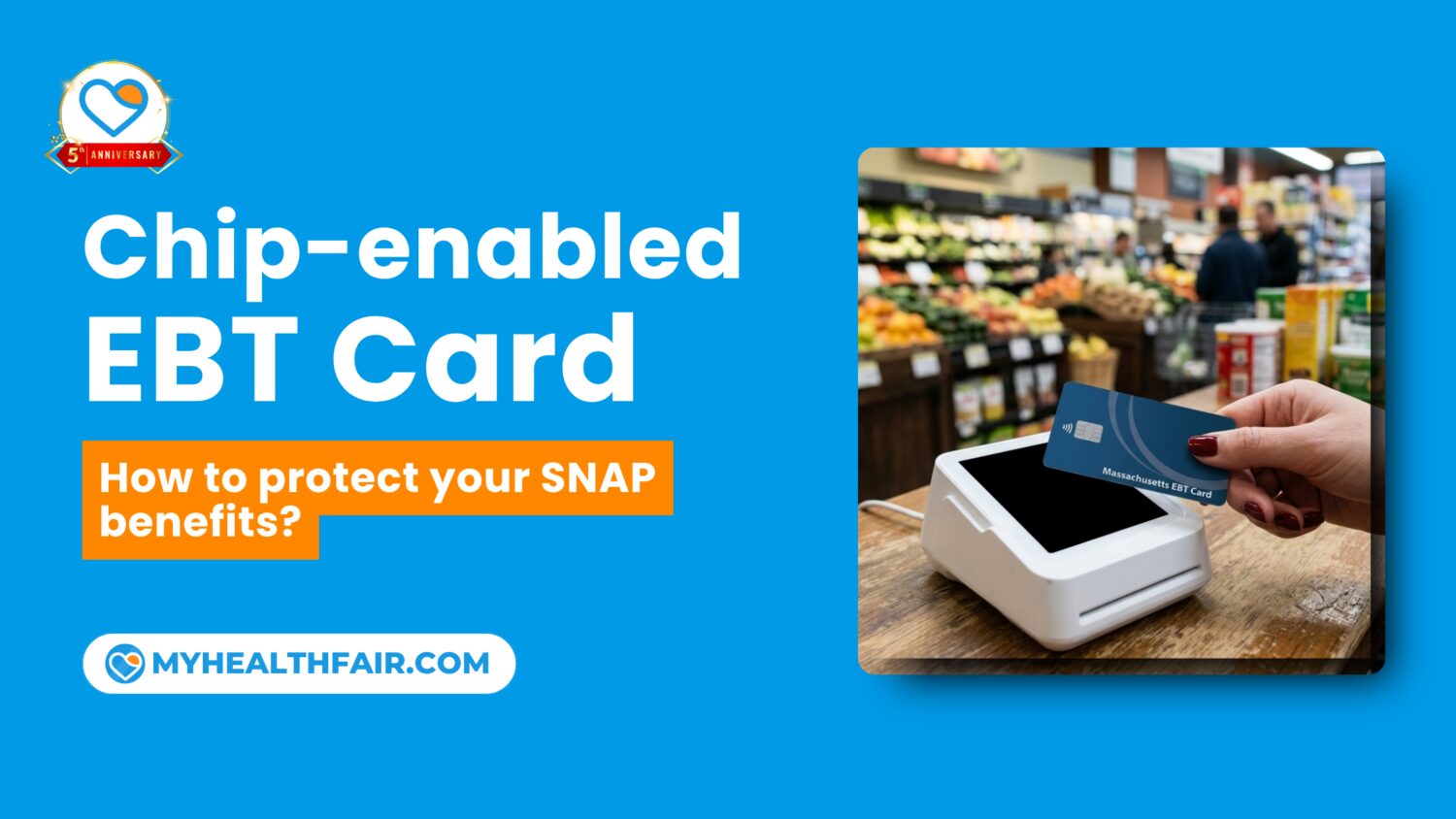
New EBT Chip Cards Are Arriving in Massachusetts: What You Need to Know to Protect Your SNAP Benefits
One out of every six Massachusetts residents fills their refrigerator each week thanks to a small plastic card.
Nearly one million people—including older adults, families with children, and workers with unstable jobs—depend on an EBT card to buy food through the SNAP program.
In recent years, however, that card has also become a favorite target for thieves.
Criminals have stolen information from thousands of cards and emptied accounts before families could buy groceries for the month.
How do they do it? By using hidden devices placed on store card readers, known as skimmers.
This month, that is beginning to change.
Massachusetts has become the first state in the nation to distribute EBT chip cards with contactless tap-to-pay technology statewide.
The new cards use the same security technology found in bank cards.
During August 2026, the Massachusetts Department of Transitional Assistance (DTA) is mailing the new cards to all households receiving benefits in the state.
If you or someone in your family receives SNAP or other DTA benefits, this guide explains what is changing, what to do when your new card arrives, and how to protect yourself from theft and scams.
Why are the cards being replaced?
Traditional EBT cards use a magnetic stripe, a technology from the 1970s that is relatively easy to copy.
That is why EBT fraud has become a national problem that disproportionately affects low-income families.
The problem is not theoretical.
Just last month, the DTA uncovered and dismantled a large skimming scheme targeting the SUN Bucks summer food program and reported it to federal prosecutors and the U.S. Department of Agriculture (USDA).
The new chip cards generate a unique code for every purchase, making them extremely difficult to clone.
They also allow tap-to-pay transactions, so you can pay by tapping the card on the reader instead of inserting or swiping it.
Governor Maura Healey said the goal is clear: Massachusetts families rely on these programs to buy food and essential items, and the state wants to make sure those funds reach the people who need and deserve them.
DTA Commissioner Michael Cole added that chip and contactless payment technology is “a safer way to access the benefits people use to feed their families.”
Before the statewide rollout, the DTA conducted a pilot program in the Worcester area in July, mailing 35,000 chip cards, which were successfully used in tens of thousands of transactions.
SNAP in Massachusetts: More Than a Card
To understand the importance of this change, it helps to look at the numbers.
According to the Massachusetts Law Reform Institute, by the end of 2025 the DTA was providing SNAP benefits to about one million residents in roughly 632,000 households.
That means about one in six Massachusetts residents receives SNAP.
The average household benefit is about $332 per month, or roughly $11 per day.
Research published in medical and public health journals shows that participating in SNAP reduces food insecurity and is associated with better health and lower medical costs, especially for children and older adults.
What should I do when my new card arrives?
The good news is that the process is simple, and you do not need to apply for a new card.
Follow these steps:
- Check your mail during August. New cards are being mailed automatically to all DTA clients statewide.
- Make sure the DTA has your current address. If you have moved recently, update your address in the DTA Connect app or by calling the DTA Assistance Line.
- Use the card within 60 days. You must use the new card within 60 days of receiving it to activate it.
- Keep the letter that comes with the card. It includes important security information and instructions for locking and unlocking your card.
What if the store does not accept the chip yet?
The state has been working with grocery stores and retailers for months to update payment systems, and most stores are already prepared to accept the new cards.
Some stores may still ask you to swipe the card. If that happens, do not worry—it does not mean your card is damaged. The store may simply not have completed its system upgrade.
Your new card still has a magnetic stripe and will continue to work.
How to Protect Your Benefits
In addition to the chip, the DTA offers free tools to help protect your account.
- Lock your card when you are not using it. DTA Connect and the customer service line allow you to lock and unlock your card in seconds.
- Change your PIN regularly, especially before each benefit deposit date.
- Never share your PIN. The DTA will never call, text, or email asking for your card number or PIN.
- Check your balance and transactions in DTA Connect and report any unfamiliar purchase immediately.
Resources in Massachusetts
DTA Connect
Website and app: dtaconnect.eohhs.mass.gov
Check your balance, lock your card, update your address, and manage your case. Available in Spanish.
DTA Assistance Line
877-382-2363 (Spanish available)
EBT Customer Service (24 hours)
800-997-2555
Lock your card, change your PIN, or report a lost or stolen card.
Project Bread – FoodSource Hotline
1-800-645-8333
Free and confidential help in Spanish to find food assistance and apply for SNAP.
Official SNAP Information
Free Legal Help in Spanish
Frequently Asked Questions
Do I need to apply for the new card?
No. The card is mailed automatically to the address the DTA has on file.
Will I lose my benefits when I change cards?
No. Your benefits stay the same; only the card changes.
What happens if I do not use the new card?
You must use it within 60 days to activate it. If you have problems, call the DTA Assistance Line.
What should I do if I think my benefits were stolen?
Lock your card immediately through DTA Connect or by calling 800-997-2555, change your PIN, and report the theft to the DTA.
Can the DTA ask for my PIN by phone or text message?
No. DTA employees will never ask for your PIN or your full card number. Calls or messages requesting that information are scams.
Important Notice
This article is for informational purposes only and does not replace official guidance from the Massachusetts Department of Transitional Assistance. For information about your specific case, contact the DTA directly or visit mass.gov.
This article is part of the health education initiative of My Health Fair, the virtual health fair that connects Massachusetts communities with reliable health information and resources in Spanish throughout the year.
Visit myhealthfair.com and follow us on social media for more community health information.
