

Dental Health at Risk: Professionals and Communities Call to Protect MassHealth Benefits
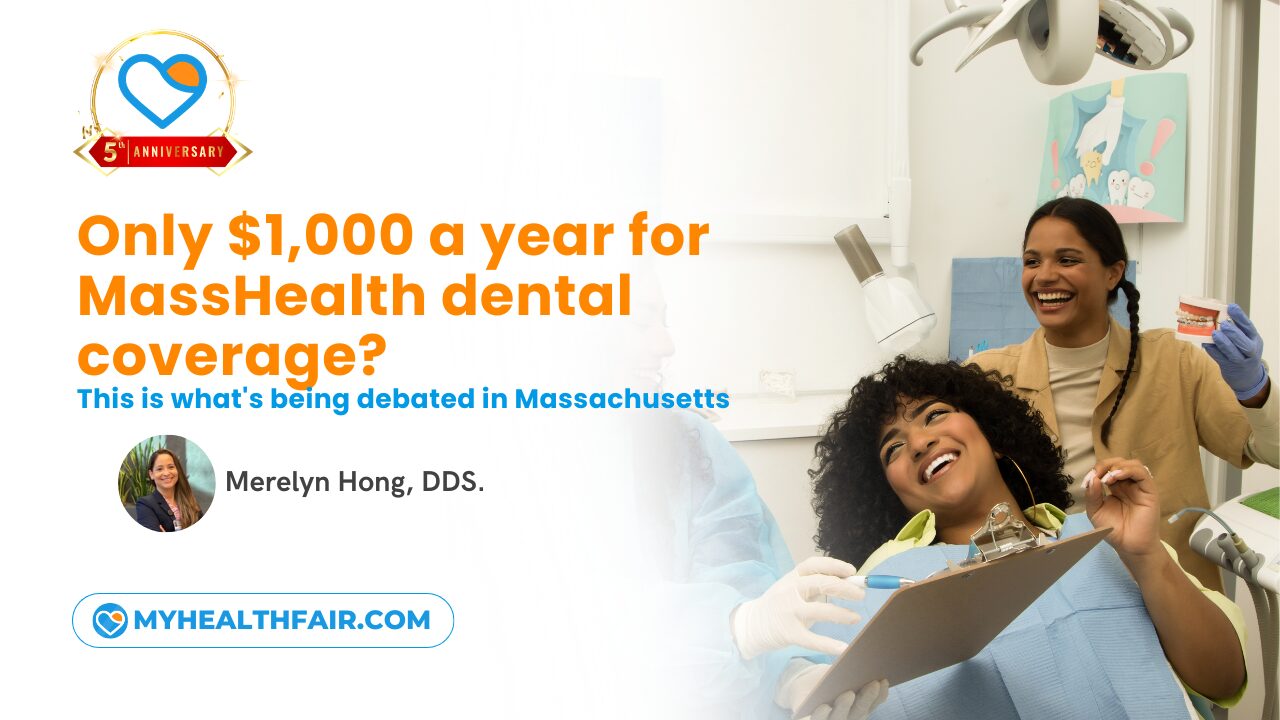
Currently, there is a proposal being discussed to limit adult dental benefits under MassHealth to a maximum of $1,000 per year. This would mean that many patients would need to pay out of pocket for additional treatments.
For oral health professionals, this change could have significant consequences, especially for low-income communities.
For this reason, community organizations and dental professionals are beginning to mobilize to inform the public and advocate for continued access to dental care.
Why This Issue Matters for Public Health
Dental health is often considered a minor issue within the healthcare system, but specialists agree that the consequences can be serious.
Untreated dental problems can lead to:
- Severe infections
- Chronic pain
- Tooth loss
- Difficulty eating or speaking
- Complications related to cardiovascular disease and diabetes
Additionally, when people cannot access preventive dental care, many end up in hospital emergency rooms, increasing overall healthcare system costs.
According to data from the Centers for Disease Control and Prevention (CDC):
- More than 25% of adults in the United States have untreated cavities
- Nearly 46% of adults over age 30 have gum disease
- Each year, millions of emergency room visits occur due to dental problems that could have been prevented
Who Is Raising Awareness
One of the organizations actively informing the public about this issue is the Mass Dental Society (MDS).
The organization brings together dentists, students, and oral health professionals working to improve access to dental services across Massachusetts.
Their initiatives include:
- Community health fairs
- Dental prevention education
- Participation in public policy initiatives related to oral health
In this context, members of the organization have begun informing the community about the potential impact of changes to the MassHealth program.
For this reason, former MDS President Dr. Abe Abdul, together with a committee, created smilemassachusetts.com, a website where residents are encouraged to visit and sign a petition to help stop the proposed changes at the state level.
The Role of the Community in Defending Access to Dental Care
Decisions about healthcare coverage in Massachusetts are not made only in hospitals or clinics. Many are determined during the state budget legislative process.
For this reason, community participation can play a key role.
When residents:
- Write to their state representatives
- Sign petitions
- Participate in awareness campaigns
They can influence public policy decisions that affect the health of thousands of families.
In this case, dental health professionals are asking the community to stay informed and make their voices heard to protect access to dental benefits.
What to Do Now: How to Protect MassHealth Dental Benefits
Dental professionals and community organizations are inviting Massachusetts residents to participate in a public campaign to protect access to dental care.
The Smile Massachusetts initiative allows residents to send a message to state legislators expressing the importance of maintaining MassHealth dental benefits.
The process takes less than one minute:
- Visit the website
https://www.smilemassachusetts.com - Enter your basic information
Name, address, and zip code - Send the message
The system automatically identifies your state representatives and sends a prepared letter requesting protection of dental benefits.
The campaign aims to inform the community about how budget decisions can affect access to dental care, especially for low-income families, seniors, and vulnerable communities.
According to public health professionals, civic participation can play an important role in legislative decisions related to healthcare programs.
A Voice from the Dental Community
During a recent interview, dentist Merelyn Hong and dental assistant José Caicedo explained that the dental community is concerned about the potential impact of an annual cap on MassHealth dental coverage.
Hong, who also participates in community dental health initiatives, noted that many dental treatments can easily exceed this amount.
Procedures such as:
- Root canals
- Crowns
- Treatment for multiple cavities
- Full or partial dentures
Can cost more than the proposed $1,000 annual limit.
For this reason, dental professionals are promoting a public awareness campaign so residents understand the issue and participate in the discussion, noting that limiting access to dental care could generate higher long-term costs for the healthcare system.
Frequently Asked Questions About the Current Debate
What is MassHealth?
MassHealth is Massachusetts’ state health insurance program that provides coverage for low-income individuals and families.
What change is being discussed?
A proposal is being evaluated that could limit adult dental coverage to a maximum of $1,000 per year.
Why are healthcare professionals concerned?
Because many dental treatments exceed this amount, which could leave patients without access to necessary care.
How can the community participate?
Residents can learn about the issue and contact their state representatives to express the importance of maintaining access to dental care.
Visiting smilemassachusetts.com and signing the petition will help inform legislators about the importance of maintaining dental coverage without budget cuts.
A Health Issue That Is Also a Civic Participation Issue
The current debate in Massachusetts shows how public policy decisions can directly impact the daily lives of thousands of families.
Organizations such as the Mass Dental Society (MDS) are working to ensure the community is informed and able to participate in the conversation.
For many healthcare professionals, the message is clear: protecting access to dental care also means protecting community health.
This conversation with Dr. Merelyn Hong took place during an interview on the program La Hora del Café. At My Health Fair, we consider this topic especially relevant to the health of our community, which is why we are sharing and highlighting the most important points from the conversation.
You can watch the full interview on the My Health Fair YouTube channel:
