

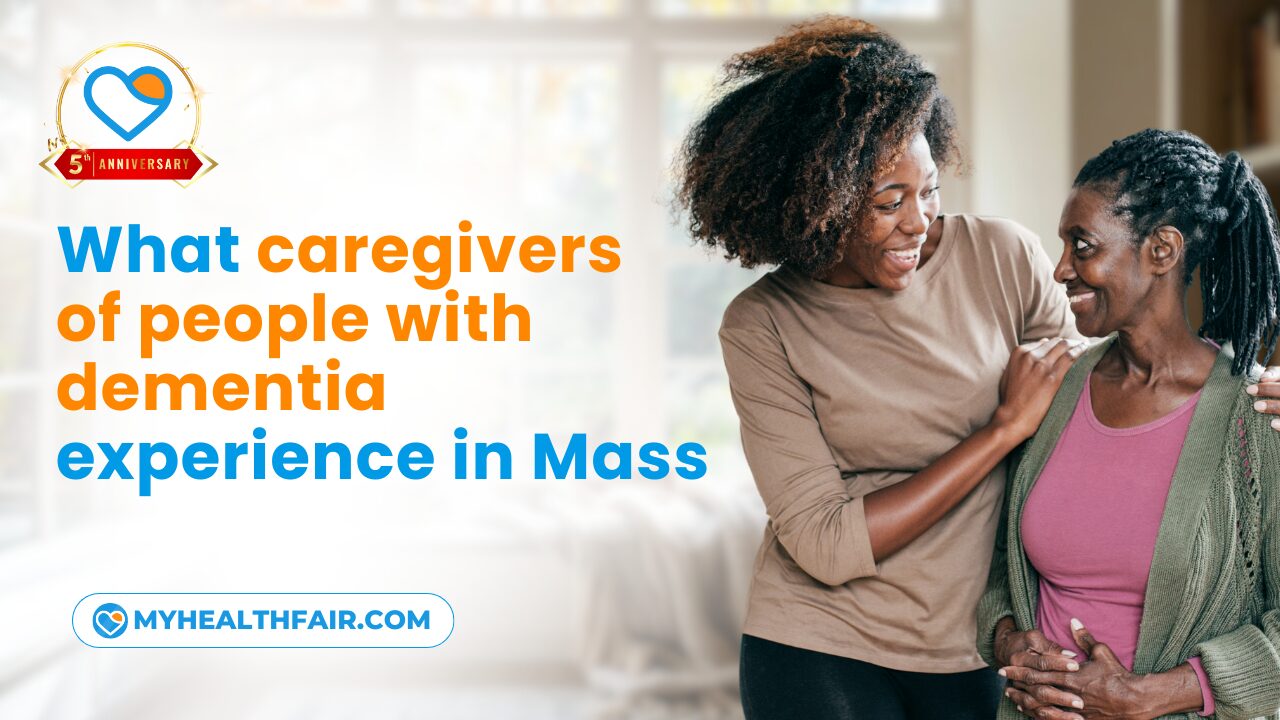
What Caregivers of People with Dementia Experience in Massachusetts
Caring for a person with Alzheimer’s or another form of dementia can completely change a person’s life.
According to the AARP Caregiving in the U.S. 2025 report, there are 63 million informal caregivers in the United States.
Furthermore, 27% of them care for someone with Alzheimer’s, dementia, or another form of cognitive impairment.
In Massachusetts, where the population is aging rapidly, the impact is even greater—especially in Latino communities where caregiving often falls on a single family member.
Who are the Caregivers and Why are They at Risk?
A caregiver can be:
- An adult daughter or son.
- A spouse.
- A grandchild.
- A relative who “helps out a bit” and ends up doing everything.
Many caregivers:
- Have received no formal training.
- Do not identify themselves as “caregivers.”
- Postpone their own health needs.
- Normalize physical and emotional exhaustion.
Careforth is an organization with over 25 years of experience supporting caregivers and tracking research on the subject.
Studies show that dementia caregivers have a higher risk of depression, anxiety, sleep problems, and chronic diseases.
Free Webinar to Support Dementia Caregiver
As a complement to this topic, Careforth invites professionals and individuals who support caregivers to participate in their free webinar with continuing education (CE) credits:
Empowering the Dementia Caregiver: Knowledge, Self-Care, and Support, a virtual webinar focused on providing practical tools to support family caregivers.
The session will cover key topics such as caregiver self-care, understanding dementia, and how to access support.
✅ Free Event | 🎓 Includes 1 Continuing Education (CE) credit
Register for Tuesday, February 10th or
Register for Thursday, February 12th
Q&A: What a Caregiver Goes Through
Is it normal to feel extreme fatigue or guilt?
Yes. Emotional exhaustion is common. Guilt often appears when the caregiver feels they are “not doing enough,” even when they are giving their all.
Does dementia change personality?
Yes. Dementia can cause changes in behavior, irritability, confusion, or aggression. It is not intentional; it is part of the disease.
Why do I feel alone even when I am with others?
Because the role of the caregiver is often experienced in isolation. Many feel that no one truly understands what they are going through.
Does asking for help mean I am failing?
No. Asking for help is a caregiving strategy, not a weakness.
What happens if the caregiver gets sick? The risk is real. When a caregiver collapses, the entire family enters a crisis. That is why self-care is a form of prevention.
Knowledge, Self-Care, and Support: Expert Recommendations
According to educational resources developed by specialized organizations, caregivers need three key things:
- Clear information about dementia and its stages.
- Simple self-care strategies (rest, boundaries, emotional support).
- Access to support networks; not doing it alone.
Education allows the caregiver to understand what is happening and make better decisions for their own health and that of their family member.
Warning Signs for Dementia Caregivers
Pay attention if:
- You feel exhausted all the time.
- You have stopped going to the doctor.
- You sleep poorly or hardly at all.
- You feel irritable, sad, or hopeless.
- You feel like you “can’t take it anymore.”
These signs indicate that it is time to seek support.
Resources Available in Massachusetts
Careforth Support and accompaniment programs for caregivers, including specialized dementia coaching and educational resources.
- Website: https://www.careforth.com
- Source: Data and educational resources cited in this article come from Careforth and the AARP 2025 report.
Alzheimer’s Association – Massachusetts & New Hampshire Education, 24/7 helpline, support groups, and resources for caregivers.
- Website: https://www.alz.org/manh
- Helpline: 1-800-272-3900
MassOptions (State of Massachusetts) Connects families with local services for older adults and caregivers.
- Website: https://massoptions.org
- Phone: 1-844-422-6277
Family Caregiver Support Program (Executive Office of Elder Affairs) Support, education, and resources for family caregivers.
My Health Fair’s Commitment to Caregivers
This article responds to My Health Fair’s mission to educate and accompany the Latino community in Massachusetts with clear, culturally relevant, and reliable information.
Caring for someone with dementia should not be experienced in silence or solitude.
Informing yourself, taking care of yourself, and seeking support is also a way of providing care.
We invite you to continue exploring our content and to share this article with someone who may need it.
Important Notice for the Reader
The information provided in this article is for educational and informational purposes only. It should not be construed as professional advice, diagnosis, or medical treatment. For any questions or concerns regarding your personal health, we strongly recommend consulting a physician or other qualified health professional.
